
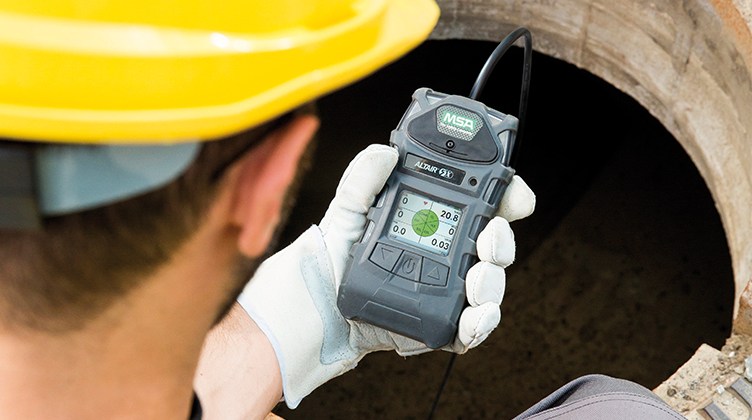
Gas detection failures have claimed more industrial lives in Singapore than most people realise, yet the invisible threat continues to lurk in workplaces across the island nation every single day. Three workers descended into a confined space beneath Jurong Island during what should have been routine maintenance. Within minutes, all three had collapsed—victims of hydrogen sulphide concentrations their inadequate monitoring equipment failed to detect.
This reality plays out in industrial facilities worldwide, where toxic gases move like silent assassins through poorly ventilated spaces. The only defence? Sophisticated gas detection systems that mean the difference between safety and tragedy.
The Science of Survival: Understanding Atmospheric Threats
In Singapore’s industrial landscape, dangerous gases accumulate with lethal efficiency. The island’s petrochemical complexes and manufacturing plants create perfect conditions for atmospheric hazards that most workers never see coming.
Singapore’s Workplace Safety and Health (Confined Spaces) Regulations 2009 mandate continuous monitoring for “toxic gases, flammable gases or vapors, and oxygen deficiency or enrichment,” with oxygen levels required between 19.5% and 23.5% by volume. Step outside these parameters, and workers face asphyxiation or explosive conditions.
The most dangerous gases workers encounter include:
- Hydrogen sulphide– The “rotten egg” gas that can kill at 100 parts per million
- Carbon monoxide– Colourless, odourless, and deadly at surprisingly low concentrations
- Methane– Creating explosive atmospheres that have levelled entire buildings
- Benzene and other organic vapours– Causing immediate unconsciousness and long-term cancer risks
But here’s what makes these threats particularly insidious: by the time human senses detect toxic gases, it’s often too late. Hydrogen sulphide deadens the sense of smell at dangerous concentrations, leaving victims unaware they’re breathing poison.
When Seconds Count: The Technology Race Against Death
Modern gas detection systems identify atmospheric threats faster than human nervous systems can process danger. Advanced sensors detect gas concentrations in parts per million within milliseconds of exposure.
Singapore’s Confined Spaces Regulations require “periodic testing of atmosphere” and specify that “Key gases to monitor typically include hydrogen sulfide, carbon monoxide, methane, and any site-specific chemical vapors that could be present due to the work environment”.
The evolution of gas detection technology has transformed workplace safety:
- Real-time monitoring– Continuous atmospheric analysis with instant alerts
- Multi-gas detection– Simultaneous monitoring of multiple threats
- Wireless connectivity– Remote monitoring and automated emergency responses
- Data logging– Historical analysis to identify dangerous trends and patterns
Yet sophisticated equipment means nothing without proper implementation. Too many facilities install gas detection systems like insurance policies—hoping never to need them while failing to maintain them properly. Dead batteries, miscalibrated sensors, and ignored alarms turn potential lifesavers into false security.
The Regulatory Web: Singapore’s Comprehensive Approach
Singapore’s gas detection regulations represent one of the world’s most comprehensive frameworks. The Ministry of Manpower’s requirements extend beyond basic detection, mandating systematic atmospheric hazard management.
Under the Workplace Safety and Health Act, employers must ensure “dust, gas, vapour or substance that may escape into any place of work” doesn’t create explosion risks. This recognition demands proactive, systematic responses.
The regulatory requirements create multiple safety layers:
- Risk assessment protocols– Identifying potential atmospheric hazards
- Permit-to-work systems– Ensuring proper authorisation for dangerous operations
- Competent person requirements– Mandating qualified personnel for testing
- Emergency response planning– Preparing for worst-case scenarios
The Human Factor: When Technology Meets Reality
Even advanced gas detection systems can’t compensate for human error, complacency, or cost-cutting. Investigations repeatedly reveal the same pattern: sophisticated safety systems undermined by inadequate training, deferred maintenance, or management pressure.
Singapore’s confined space regulations address this directly. Workers must “Conduct gas testing to ascertain the atmospheric condition in the confined space is safe for entry” and “Monitor the confined space conditions and control measures for safe working”.
Training requirements reflect hard-learned lessons from industrial accidents. Workers must understand detection equipment use, interpret readings, respond to alarms, and make critical decisions under pressure.
Beyond Compliance: The Business Case for Advanced Detection
Smart facility managers recognise gas detection systems represent more than regulatory compliance—they’re business continuity tools. Undetected gas leaks can shut down operations and generate massive cleanup costs. The economic impact often exceeds comprehensive detection system costs by orders of magnitude.
Progressive facilities integrate gas detection with broader safety management systems, creating networks that monitor and respond to atmospheric threats automatically.
These systems offer advanced capabilities:
- Predictive analytics– Identifying dangerous trends
- Automated responses– Triggering ventilation or evacuation procedures
- Integration capabilities– Connecting with fire systems and emergency communications
- Compliance documentation– Automatic record-keeping for reporting
The Price of Vigilance: Investment in Life-Saving Technology
The question isn’t whether facilities can afford comprehensive gas detection systems—it’s whether they can afford not to have them. Every day across Singapore’s industrial landscape, workers enter spaces where invisible gases could kill within minutes. The only thing standing between them and disaster is often a device worth less than most smartphones.
Too many facilities treat gas detection as an afterthought, installing minimum-compliance systems and hoping for the best. This approach has claimed lives across industries. The cost of comprehensive detection pales beside the human and financial costs of a single atmospheric incident.
Conclusion: The Silent Guardians
As Singapore’s industrial sector expands, invisible threats in confined spaces and maintenance zones aren’t diminishing—they’re multiplying. Every new facility creates fresh opportunities for atmospheric hazards to claim lives.
The technology exists to detect these threats before they become tragedies. The regulations demand implementation. The economic case is overwhelming. Yet the human cost of failure remains the most compelling argument for taking Gas Detection seriously, because every sophisticated gas detection system represents the promise that workers who enter dangerous spaces will emerge safely.
 Tech Web News Blog