
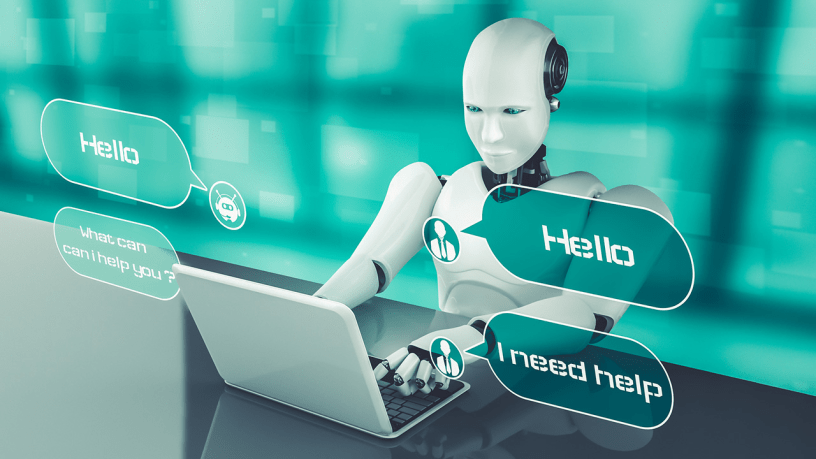
Business technology is moving beyond chatbots. The next step is AI workflows: structured systems where AI can take a goal, complete useful steps, hand work back for review, and keep the outcome visible. This shift matters because a good answer in a chat window is helpful, but a tracked workflow is what turns AI into completed work.
Chatbots changed expectations. They made it normal for employees to ask AI for a draft, summary, idea, or explanation. But as businesses used them more, the limitation became clear. Chat is a place to ask questions, not always a place to manage work.
The chatbot limitation
A chatbot can produce a useful draft, but it does not automatically assign the next step. It does not know whether the draft was approved, whether a customer received it, or whether the follow-up was completed. In many teams, the AI output simply becomes another loose item in an already crowded workday.
That is why the business conversation is shifting from AI answers to AI workflows. The goal is not only to generate text faster. It is to move tasks from request to completion with visibility along the way.
What makes an AI workflow different
An AI workflow adds structure around the model. It starts with a brief, routes the work through the right steps, attaches an owner, and creates a review point before anything sensitive is used. The AI may do the drafting, research, classification, or summarisation, but the workflow ensures the result does not disappear.
- A sales workflow might research a prospect, draft a message, and queue it for approval.
- An operations workflow might summarise meeting actions and assign owners.
- A support workflow might draft knowledge base updates and flag them for review.
- A technical workflow might investigate an issue and prepare notes for a developer.
The common thread is accountability. The task has a place to live, and the business can see what happened.
Why this matters for smaller teams
Large companies can build elaborate AI governance programs. Smaller teams need something lighter. They need AI to reduce admin without creating a new management burden. A workflow approach helps because it turns AI use into a repeatable pattern rather than a collection of personal habits.
This is especially important for founders and lean teams. When every person is busy, work often fails at the handoff: the AI helped, but nobody finished the task. A visible workflow closes that gap.
The role of review and approval
The strongest AI workflows do not pretend that AI output is automatically ready. They make review part of the system. This is the difference between acceleration and blind automation. A person still checks judgement-heavy work, while the AI handles the time-consuming first pass.
Products like Task Force AI reflect this broader trend by treating AI output as work that should be briefed, tracked, reviewed, and approved. That is a more practical direction for business technology than leaving every useful response inside a chat tab.
Where the technology is heading
The next generation of business AI will look less like a single assistant and more like an operating layer. It will connect tasks, agents, review steps, and records. The companies that adopt this mindset early will be better placed to use AI consistently, not just occasionally.
Chatbots introduced the workplace to AI. Workflows will decide whether AI becomes a dependable part of how businesses actually run.
 Tech Web News Blog